Liturgy of the Hours PDF: A Comprehensive Guide (Updated 04/06/2026)
Today, on 04/06/2026, access the Divine Office via eBreviary in PDF format, or explore printable booklets and subscriptions for daily prayer cycles.
What is the Liturgy of the Hours?
The Liturgy of the Hours, also known as the Divine Office, is the daily prayer of the Catholic Church, marking the sanctification of the day. Rooted in the Jewish tradition of praying at specific times, it’s a communal offering of praise and intercession.
The Catechism of the Catholic Church (1174) emphasizes how this practice permeates and transforms each day, reflecting the mystery of Christ’s Incarnation and Passover celebrated in the Eucharist. It’s not merely individual prayer, but participation in the public prayer of the Christian community, a practice evolving from apostolic exhortations to pray constantly.
Today, resources like eBreviary provide access to these prayers – Morning, Daytime, Evening, and Night Prayer, plus the Office of Readings – often in PDF format, enabling faithful adherence to this ancient tradition. It’s a prayer cycle deeply embedded in Catholic spirituality.
Historical Development of the Divine Office
The origins of the Liturgy of the Hours trace back to the Jewish practice of praying at set times throughout the day, a tradition adopted by early Christians. Initially, this involved reciting Psalms and readings, gradually developing into a structured form of communal prayer.
Over centuries, monastic communities played a pivotal role in shaping the Divine Office, establishing a fixed cycle of prayers. St. Benedict’s Rule formalized these hours, influencing the liturgical landscape. Later, reforms by Popes like St. Pius X and liturgical changes following Vatican II further refined the structure.
Today, access to the Liturgy of the Hours is facilitated by resources offering PDF versions, like eBreviary, allowing individuals to connect with this historical prayer tradition. The evolution reflects a continuous striving to sanctify time through prayer.
Biblical Roots of Liturgical Prayer
The Liturgy of the Hours finds deep roots in the Bible, echoing the ancient Jewish practice of praying at specific times. The Psalms, a central component, originated as liturgical hymns within the Temple worship. Scripture demonstrates a consistent call to praise God “at all times,” establishing a foundation for structured prayer.
The New Testament continues this tradition, with instances of the Apostles praying at designated hours (Acts 3:1, 10:9). Early Christians, steeped in Jewish tradition, adapted these practices, incorporating readings from both the Old and New Testaments into their daily prayer life.
Accessing the Liturgy of the Hours in PDF format, through resources like eBreviary, allows modern believers to connect with this biblical heritage, participating in a prayer cycle rooted in scripture and tradition.
The Liturgy of the Hours and the Catechism of the Catholic Church
The Catechism of the Catholic Church (CCC 1174) affirms that the Liturgy of the Hours sanctifies the day, permeating it with the mystery of Christ’s Incarnation and Passover, especially as celebrated in the Eucharist. It’s a public prayer of the Church, exceeding the importance of solely individual devotion.
The CCC highlights the historical development from apostolic exhortations to constant prayer, evolving into the Divine Office we know today. Accessing the Liturgy of the Hours in PDF format, via resources like eBreviary, facilitates participation in this communal prayer.
The Church encourages participation, recognizing it as a vital expression of faith. Utilizing printable PDF booklets or mobile access reinforces this connection to the Church’s liturgical tradition.
Components of the Liturgy of the Hours
PDF resources detail the structure: Psalms, Readings, and Prayers, forming Morning (Lauds), Evening (Vespers), Daytime, Night Prayer, and Office of Readings.
Major Hours: Morning Prayer (Lauds)
Lauds, or Morning Prayer, traditionally marks the beginning of the liturgical day, often recited at dawn. PDF versions available through resources like eBreviary provide the complete text for communal or personal use. This hour centers around praise and thanksgiving for the new day, anticipating the coming of Christ.
Typically, Lauds includes the recitation of several Psalms, a short Reading from Scripture, and the Canticle of Zechariah (Benedictus), reflecting Mary’s expectant joy. The prayer concludes with the Gloria and a collect. Printable PDF booklets and digital formats allow for convenient access, while weekly portfolios, requiring Adobe Acrobat, offer organized prayer schedules. Subscribers gain access to pre-formatted PDFs, simplifying daily practice. The structure, readily available in PDF form, fosters a contemplative start to the day.
Major Hours: Evening Prayer (Vespers)
Vespers, or Evening Prayer, traditionally marks the end of the day and anticipates the coming of rest. Conveniently accessed via PDF downloads from platforms like eBreviary, it’s a core component of the Liturgy of the Hours. This hour reflects on the day’s events, offering thanks and intercession.

The structure of Vespers generally includes the recitation of several Psalms, a short Reading, and the Magnificat (Song of Mary), expressing joyful praise. It concludes with the Gloria, intercessions, and a concluding prayer. PDF booklets and mobile device access provide flexibility, while weekly portfolios (requiring Adobe Acrobat) streamline the experience. Subscribers benefit from readily available PDFs. The complete text, easily found in PDF format, invites peaceful reflection and a grateful close to the day.
Minor Hours: Daytime Prayer, Night Prayer, Office of Readings
The Liturgy of the Hours also encompasses “minor hours” – Daytime Prayer, Night Prayer, and the Office of Readings – completing the cycle of prayer throughout the day and night. These are readily available in PDF format through resources like eBreviary, offering flexibility for personal devotion.
Daytime Prayer and Night Prayer are shorter, simpler forms, ideal for brief moments of connection with God. The Office of Readings, traditionally prayed at night, features longer scriptural readings and often includes writings from Church Fathers. Accessing these hours via PDF allows for convenient integration into busy schedules. Subscribers to Liturgy of the Hours resources often receive these in printable PDF booklets, while mobile access provides a non-printing option. Utilizing weekly portfolios with Adobe Acrobat further simplifies daily prayer.
Structure of Each Hour: Psalms, Readings, Prayers
Each hour within the Liturgy of the Hours follows a consistent structure, readily accessible in PDF formats from resources like eBreviary. This typically begins with an invitation to prayer, followed by several Psalms, chosen to reflect the time of day and liturgical season. Scriptural Readings, often from the Old or New Testament, provide theological depth.
A central element is the prayer, often a responsorial psalm or canticle, culminating in the Lord’s Prayer. These components, presented clearly in PDF booklets or digital displays, facilitate a rich prayer experience. Whether utilizing printable PDFs or mobile access, the structure remains consistent, allowing for a familiar and meditative practice. Weekly portfolios, viewable with Adobe Acrobat, organize these elements for convenient daily use, enhancing spiritual growth.

Accessing Liturgy of the Hours PDFs
eBreviary provides five daily prayers in PDF, while subscriptions offer printable booklets and mobile access; Adobe Acrobat is needed for portfolios.
eBreviary: A Digital Resource for Daily Prayer
eBreviary stands as a premier digital resource for engaging with the Liturgy of the Hours, offering convenient access to the Divine Office through various formats. This website provides all five daily hours of prayer – Morning Prayer (Lauds), Daytime Prayer, Evening Prayer (Vespers), Night Prayer, and the Office of Readings – readily available in PDF format.
Users can easily download and utilize these PDFs for personal prayer and reflection. eBreviary caters to diverse needs, offering options for subscribers who desire printed booklets for communal or individual use. Furthermore, the platform extends its reach to mobile devices, providing access to the current hour’s prayer, even without printing capabilities.
A key feature is the availability of weekly portfolios, though these require the Adobe Acrobat application for optimal viewing and functionality. eBreviary effectively bridges the gap between traditional liturgical practice and modern technology, making the Divine Office accessible to a wider audience.
Printable PDF Booklets and Subscriptions
For those who prefer a tangible experience, several options exist for obtaining the Liturgy of the Hours in PDF booklet form. Subscriptions are available that provide printed booklets for regular use, ideal for individuals, families, or entire communities desiring a physical prayer aid. These subscriptions ensure a consistent supply of the daily prayers, eliminating the need for individual PDF downloads and printing.
Beyond subscriptions, individual PDF booklets can often be purchased or accessed through various Catholic resource websites. This allows for flexibility in choosing specific time periods or liturgical seasons. The convenience of PDFs lies in their portability and ease of printing, enabling users to create personalized prayer books.
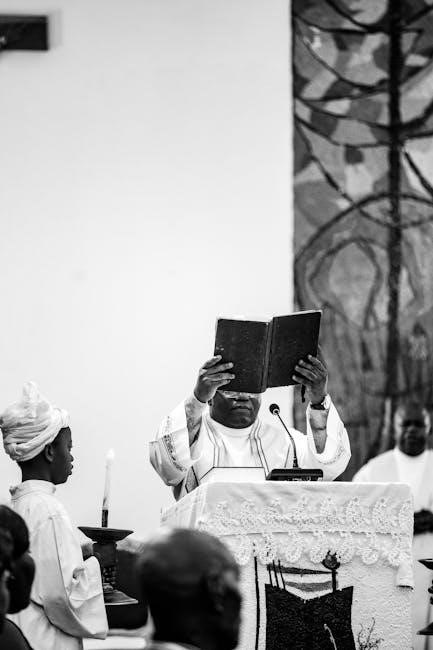
These printed resources facilitate a deeper engagement with the Divine Office, fostering a rhythm of prayer throughout the day, mirroring the ancient monastic tradition.
Liturgy of the Hours for Mobile Devices
Modern technology offers convenient access to the Liturgy of the Hours through mobile devices. While some resources focus on PDF downloads for printing, many platforms now provide digital access directly on smartphones and tablets. eBreviary, for example, offers a non-printing mobile experience, allowing users to pray the Divine Office on the go without needing physical booklets or PDF files.
These mobile applications often feature user-friendly interfaces, adjustable font sizes, and offline access to downloaded content. This is particularly useful for those who travel frequently or prefer a streamlined, paperless approach to their daily prayer.
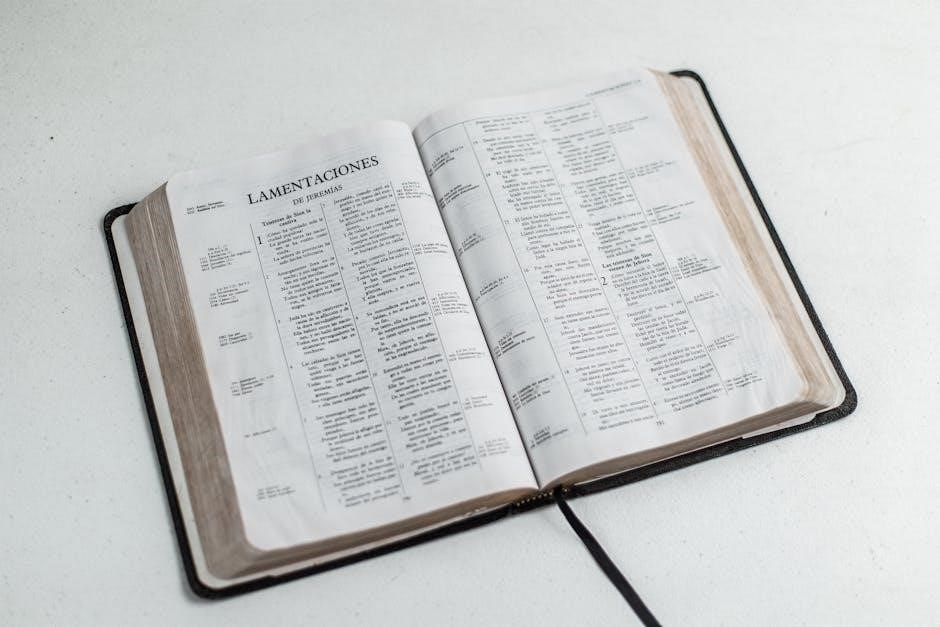
The availability of mobile options ensures that the Liturgy of the Hours remains accessible to a wider audience, seamlessly integrating into the demands of contemporary life.

Specific Uses and Occasions
PDF versions facilitate praying for the deceased, offering a cycle for the repose of souls, especially on All Souls’ Day, or as a votive office.
Praying for the Deceased: The Commemoration of All Souls
The Liturgy of the Hours, readily available in PDF format, provides a specific and powerful means of intercession for those who have passed away. A dedicated prayer cycle exists within the Divine Office specifically for the repose of the soul, traditionally observed on All Souls’ Day (November 2nd).
However, this office isn’t limited to a single day; it can be utilized as a votive office on other occasions when praying for particular deceased individuals. PDF booklets and digital resources like eBreviary simplify access to these prayers, allowing for consistent and focused remembrance.
Utilizing the structured prayers and readings within the Liturgy of the Hours offers a communal and scripturally-rooted way to commend the deceased to God’s mercy, acknowledging their journey through Purgatory and seeking their eternal rest. The availability of PDFs makes this ancient practice accessible to all.
The Liturgy of the Hours as a Votive Office
The Liturgy of the Hours, conveniently accessed through PDF resources like those offered by eBreviary, can function as a Votive Office, extending beyond the standard liturgical calendar. This allows for specific intentions and needs to be incorporated into daily prayer.
While primarily structured around the feasts and seasons of the Church, the Divine Office’s flexibility permits the dedication of an hour – or even multiple hours – to a particular purpose, such as seeking peace, offering thanksgiving, or, as previously discussed, praying for the deceased.
PDF versions of the Liturgy of the Hours simplify the selection and implementation of these votive prayers, providing the necessary texts and readings. This practice enriches personal and communal prayer life, allowing individuals and communities to tailor the Divine Office to their immediate spiritual needs and intentions.
Practical Considerations for Implementation
PDF access often requires an Adobe Acrobat app, while weekly portfolios streamline prayer; eBreviary offers mobile options without printing capabilities.
Understanding Weekly Portfolios and Adobe Acrobat Requirements
Weekly portfolios for the Liturgy of the Hours, available as PDF documents, offer a convenient way to pray the Divine Office throughout the week. These compilations consolidate the prayers for each hour – Lauds, Daytime Prayer, Vespers, and Night Prayer – into a single, manageable file. However, utilizing these portfolios typically necessitates the use of the Adobe Acrobat application.
This requirement stems from the portfolio’s formatting and interactive features, designed to facilitate navigation and bookmarking. While basic PDF readers can display the content, Adobe Acrobat provides the full functionality intended by the creators. Subscribers often receive these portfolios, enhancing their prayer experience. Ensure your device has a compatible version of Adobe Acrobat installed to fully benefit from this method of accessing and praying the Liturgy of the Hours.
Integrating the Liturgy of the Hours into Daily Life
Incorporating the Liturgy of the Hours, often accessed via convenient PDF formats, into your daily routine can profoundly deepen your spiritual life. Begin by selecting a manageable hour – perhaps Morning Prayer (Lauds) or Evening Prayer (Vespers) – and commit to praying it consistently. Utilizing eBreviary or printable booklets simplifies this process.
Consider aligning prayer times with natural rhythms in your day. Lauds with morning coffee, Vespers before dinner. Even short segments of the Office can be impactful. The availability of PDF versions for mobile devices allows for prayer on the go. Remember, the Liturgy of the Hours isn’t about adding another task, but about sanctifying time itself, transforming ordinary moments into opportunities for communion with God.
Resources for Learning More About the Divine Office
To deepen your understanding of the Liturgy of the Hours, numerous resources are available. The Catechism of the Catholic Church (paragraph 1174) provides foundational theological context, explaining its connection to the mystery of Christ and constant prayer. Explore the eBreviary website, not only for daily prayer in PDF format, but also for introductory materials.
Further research can uncover historical developments and the biblical roots of liturgical prayer. Online articles and Catholic websites offer detailed explanations of each hour, its structure, and proper recitation. Familiarizing yourself with weekly portfolios (often requiring an Adobe Acrobat app) can enhance your experience. Ultimately, consistent prayer and study will unlock the richness of this ancient tradition.