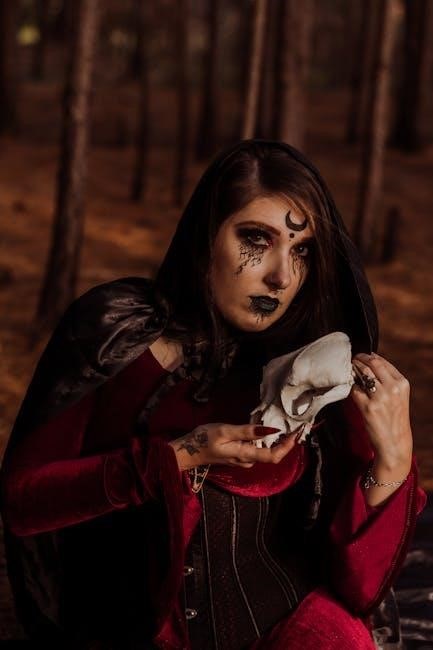
Embarking on a courtship with a vampire requires understanding their ancient nature, respecting their power, and leveraging your unique werewolf strengths for a captivating connection․
Kresley Cole’s work, celebrated as a foundational text in paranormal romance, highlights the allure of fated mates between these powerful beings, offering valuable insight․
This guide delves into the intricacies of attracting a vampire, navigating potential conflicts, and building a lasting bond, acknowledging the inherent challenges and rewards․

Understanding the Vampire Psyche
To successfully seduce a vampire, a werewolf must first grasp the complexities of the vampire mind – a realm shaped by centuries of existence and inherent power dynamics․
Vampires, unlike werewolves driven by instinctual pack bonds, often grapple with profound loneliness stemming from their extended lifespans and detachment from fleeting human society․ They possess a keen intellect, refined tastes, and a deep appreciation for history and artistry․
Understanding their societal structures, often hierarchical and steeped in tradition, is crucial․ Respect for elders and adherence to established protocols are paramount․ Appealing to a vampire’s sense of wisdom and longevity, acknowledging their experiences, will resonate far more than displays of brute strength․
Recognize that vampires, despite their often-portrayed predatory nature, are capable of deep emotion, though they may express it in subtle, nuanced ways․ Patience and observation are key to deciphering their true feelings․
Vampire History and Societal Structures
Vampire society isn’t a monolith; it’s a tapestry woven with ancient lineages, complex hierarchies, and deeply ingrained traditions․
Understanding these structures is vital for a werewolf seeking a vampire’s favor․ Many vampire societies are ruled by ancient elders, whose authority is absolute․ Disrespecting this hierarchy is a swift path to rejection․ Courtship rituals often involve intricate displays of deference and adherence to established protocols․
Historically, vampires have often existed on the periphery of human civilization, observing and influencing events from the shadows․ This long history has fostered a sense of superiority and a cautious approach to outsiders․
Knowledge of a specific vampire’s lineage – their clan or coven – can provide valuable insight into their values and expectations․ Demonstrating awareness of their history signals respect and genuine interest, laying a foundation for attraction․
Common Vampire Personality Traits
While individual vampires vary, certain traits are prevalent across most lineages․
Longevity breeds a unique perspective; vampires often possess a detached, philosophical outlook, having witnessed centuries unfold․ They value wisdom, artistry, and intellectual pursuits․ Impatience with fleeting human concerns is common․ Many exhibit a refined aesthetic sensibility, appreciating beauty in all its forms․
A sense of melancholy often permeates their demeanor, stemming from their immortal existence and the losses accumulated over time․ However, this isn’t necessarily weakness; it can be a source of profound depth and allure․
Vampires are often fiercely independent and protective of their privacy․ Earning their trust requires patience and genuine respect for their boundaries․ Avoid overt displays of emotion or neediness, as these can be perceived as weaknesses․
Leveraging Your Werewolf Advantages
As a werewolf, you possess qualities that can be incredibly appealing to a vampire, offering a dynamic contrast to their own nature․
Embrace your primal instincts and untamed energy – vampires, despite their sophistication, are often drawn to the raw power and vitality of the wild․ Your physical prowess is a significant asset; subtly display your strength and agility, showcasing the peak of your physical form․
Werewolf senses are far superior, allowing you to perceive subtle cues in a vampire’s behavior and emotional state that others would miss․ Use this to anticipate their needs and demonstrate genuine understanding․
This heightened awareness will prove invaluable in navigating the complexities of vampire courtship and building a connection based on mutual respect and fascination․
The Allure of the Wild: Embracing Your Instincts

Vampires, often existing within rigid societal structures and centuries of tradition, can find themselves captivated by the untamed spirit of a werewolf․

Don’t suppress your natural instincts; instead, refine and present them as an alluring contrast to a vampire’s controlled existence․ A hint of unpredictability, a flash of primal energy, can be incredibly enticing․
Allow your wolfish side to subtly influence your interactions – a direct gaze, a confident stride, a playful challenge․ These displays demonstrate vitality and authenticity, qualities that resonate deeply with beings who have experienced the monotony of immortality․
Authenticity is key; a genuine expression of your wild nature will be far more captivating than any contrived attempt at seduction․
Physical Prowess and Display
Werewolves possess a raw, animalistic strength and agility that can be profoundly attractive to vampires, beings who often value power and physical perfection․
Subtle displays of your physical capabilities – a graceful leap, a firm grip, effortless movement – can pique a vampire’s interest․ Avoid overt aggression; instead, focus on controlled demonstrations of strength and coordination․
Vampires are often connoisseurs of aesthetics, so maintain a well-groomed appearance, highlighting your physique without appearing ostentatious․ Consider attire that accentuates your natural form and allows for freedom of movement․
Remember, the goal isn’t to intimidate, but to showcase the vitality and power inherent in your werewolf nature, presenting yourself as a compelling and capable mate․

Enhanced Senses: Reading a Vampire’s Signals
Your heightened senses are invaluable tools in deciphering a vampire’s often subtle cues․

Vampires, masters of control, rarely broadcast their desires openly․ Pay close attention to minute shifts in their body language – a slight dilation of pupils, a subtle tightening of the jaw, or a barely perceptible change in scent․
Listen intently, not just to their words, but to the tone and cadence of their voice․ A vampire’s scent can reveal their emotional state; detect nuances of pleasure, annoyance, or intrigue․
Use your acute hearing to discern subtle sounds – a quickened heartbeat, a shallow breath – that betray their true feelings․ Mastering this skill allows you to respond appropriately and build a genuine connection․
First Impressions: The Initial Encounter
The initial meeting sets the tone for everything that follows; meticulous planning is crucial․
Vampires appreciate deliberate actions and refined tastes․ Avoid boisterous displays or overly aggressive approaches․ Instead, aim for an air of controlled confidence and quiet strength․ Your first impression should convey respect for their age and power․
Consider the setting carefully․ A dimly lit, elegant space is preferable to a crowded, chaotic environment․ A thoughtful gift, reflecting an understanding of their interests, demonstrates attentiveness․
Initiate conversation with topics that showcase your intelligence and wit – history, art, or philosophy․ Avoid boasting about your werewolf abilities; subtlety is key to sparking their curiosity․
Choosing the Right Setting
The environment profoundly impacts a vampire’s receptiveness; select wisely to maximize your allure․
Vampires, steeped in centuries of existence, gravitate towards locations that echo their timelessness and sophistication․ Avoid brightly lit, modern spaces․ Instead, opt for dimly lit locales with a sense of history – antique shops, libraries, or secluded gardens at twilight․
Consider a private gallery exhibiting classical art, or a jazz club with a melancholic ambiance․ The setting should feel exclusive and intimate, fostering a sense of shared secrets․
Crucially, ensure the location offers a degree of privacy, allowing for uninterrupted conversation and subtle displays of attraction․ A space that feels safe and controlled will appeal to their discerning nature․
Gifts and Offerings (What Vampires Appreciate)
Vampires, possessing immense wealth and refined tastes, aren’t easily impressed by material possessions; thoughtfulness is paramount․
Forget ostentatious displays of riches․ Instead, focus on gifts that demonstrate an understanding of their long life and unique perspective․ Rare books, antique maps, or a meticulously researched piece of their family history are excellent choices․
Experiences are often more valued than objects․ A private concert featuring hauntingly beautiful music, or access to a hidden historical archive, will resonate deeply․
A carefully chosen vintage wine (understanding their preferences, of course) or a handcrafted item reflecting a shared interest shows genuine effort․ Remember, it’s the sentiment, not the price tag, that truly captivates a vampire’s attention․
Initiating Conversation: Topics to Explore
Avoid mundane chatter; vampires crave intellectual stimulation and discussions that reflect their extensive experience․
History is an excellent starting point – delve into eras you’ve both witnessed, offering a unique werewolf perspective on events they’ve lived through․ Art, philosophy, and ancient lore are also safe bets, showcasing your own intelligence․
Inquire about their passions, but avoid prying into their past unless invited․ Demonstrate genuine curiosity about their perspectives on mortality, power, and the changing world․
Subtly share tales of your pack’s traditions, highlighting the strength and loyalty inherent in werewolf society․ Steer clear of boasting or challenging their authority; respectful dialogue is key to establishing a connection․
Building Attraction: The Seduction Process
Seduction isn’t about dominance, but a delicate dance of respect and allure, acknowledging the vampire’s inherent power and longevity․
Vampires appreciate deliberate courtship, a slow burn that demonstrates patience and genuine interest; Mirror their formality initially, then gradually introduce playful teasing, showcasing your wild side․
Understanding their courtship rituals – often subtle and steeped in tradition – is crucial․ Observe and adapt, demonstrating your willingness to learn and appreciate their culture․
Appeal to their wisdom and experience, seeking their counsel and valuing their insights․ Acknowledge their age and the weight of centuries, presenting yourself as a stimulating companion, not a fleeting fancy․
The Power of Respectful Dominance
Werewolves possess a natural, primal energy that can be incredibly captivating to a vampire, but outright aggression is a fatal error․
Instead, cultivate a respectful dominance – a quiet confidence that acknowledges their power while subtly asserting your own․ This isn’t about control, but about demonstrating self-assuredness and strength of character․
Vampires are drawn to those who aren’t intimidated, but who approach them as equals, capable of independent thought and action․ A playful challenge, a witty retort, can be far more effective than a forceful demand․
Showcase your protective instincts, not as a possessive claim, but as a genuine desire to safeguard their well-being․ This demonstrates loyalty and a willingness to defend what you value․
Understanding Vampire Courtship Rituals
Vampire courtship isn’t a whirlwind of passionate displays; it’s a slow, deliberate dance steeped in tradition and subtle cues․
Direct declarations of affection are often viewed as gauche․ Instead, focus on building a connection through shared interests, intellectual stimulation, and demonstrating genuine curiosity about their long life and experiences․
Gifts aren’t about monetary value, but about thoughtfulness and understanding their refined tastes – rare books, antique artifacts, or a piece of art that resonates with their aesthetic sensibilities․
Patience is paramount․ Vampires have centuries to spare and aren’t easily rushed․ Allow the relationship to unfold naturally, respecting their boundaries and observing their reactions․ A subtle gesture, a lingering gaze, can speak volumes․
Appealing to a Vampire’s Longevity and Wisdom
Vampires possess an unparalleled perspective shaped by centuries of existence; appeal to this by demonstrating intellectual curiosity and a thirst for knowledge․
Avoid boasting or seeking to impress with fleeting achievements․ Instead, engage them in discussions about history, philosophy, or art, showcasing your own capacity for deep thought and learning․
Acknowledge their wisdom and seek their counsel, not as a sign of weakness, but as a genuine appreciation for their experience․ Share your own vulnerabilities, demonstrating trust and emotional maturity․
Show them you aren’t simply captivated by their power, but by the person they’ve become over time․ Offer a fresh perspective, a new story, or a unique insight that piques their interest and demonstrates your own value beyond the immediate․
Navigating Potential Conflicts
A werewolf-vampire connection inherently invites conflict, stemming from historical rivalry and fundamental differences in nature․
Acknowledging this tension is crucial․ Open communication about species prejudices and territorial concerns is paramount․ Demonstrate respect for their traditions, even if you don’t fully understand them․
Be prepared to mediate disputes arising from pack dynamics or vampire court politics․ Loyalty to your own kind shouldn’t overshadow your commitment to the relationship․ Diplomacy and compromise are essential tools․
Vampire jealousy, fueled by their possessive nature and long lifespans, requires careful handling․ Reassure them of your devotion without sacrificing your independence․ Address issues proactively, before they escalate into larger conflicts, fostering trust and understanding․
Addressing Species Rivalry
Centuries of ingrained animosity define the werewolf-vampire dynamic, making acceptance a significant hurdle․
Acknowledge the historical conflicts without dwelling on them․ Focus on individual connection rather than perpetuating stereotypes․ Demonstrate that you see them, not just a member of a rival species․
Be prepared to defend your relationship against disapproval from both sides․ This requires unwavering commitment and a willingness to challenge societal expectations․ Patience is key; changing deeply held beliefs takes time․
Highlight shared values – a thirst for power, a sense of loneliness, or a desire for companionship – to bridge the gap․ Show, through your actions, that a harmonious coexistence is possible, fostering mutual respect and understanding․
Managing Territory and Pack Dynamics
Werewolves are fiercely protective of their territory and pack, presenting potential complications when introducing a vampire into the fold․
Open communication with your pack is crucial․ Explain your feelings and intentions, addressing their concerns honestly․ Be prepared for resistance; demonstrate your vampire’s respect for werewolf traditions․
Establish clear boundaries regarding territory․ A vampire’s nocturnal habits shouldn’t infringe upon pack hunting grounds or sacred spaces․ Compromise is essential – perhaps designating a neutral zone for shared activities․
Be mindful of pack hierarchy․ Your vampire must acknowledge and respect the Alpha’s authority․ Demonstrating deference will ease tensions and foster acceptance․ A strong, united front is vital for navigating these complex dynamics․
Dealing with Vampire Jealousy
Vampires, possessing centuries of experience and often a melancholic nature, can be prone to jealousy, particularly regarding a werewolf’s vibrant, instinctual connections․
Reassure your vampire of your devotion consistently․ Emphasize the unique qualities they possess that captivate you, highlighting their wisdom and enduring allure․ Acknowledge their longevity and the depth of their experiences․
Be discreet about past affections or lingering connections with others․ Vampires value exclusivity and may interpret any ambiguity as a threat․ Transparency and unwavering loyalty are paramount․
Understand that jealousy often stems from a fear of loss․ Address these insecurities with patience and affection, demonstrating your commitment to a lasting bond․ Remind them that your werewolf nature enhances, not diminishes, your love․
The Long Game: Sustaining the Relationship
A werewolf-vampire bond, while passionate, demands consistent effort to thrive across the vast expanse of time․
Cultivate shared interests that transcend your species differences․ Explore art, music, or intellectual pursuits that appeal to both your natures․ Embrace activities that allow for mutual learning and growth․

Accept and adapt to your vampire’s nocturnal lifestyle․ Participate in their world, even if it means adjusting your own routines․ Show genuine curiosity about their experiences and social circles․

Prioritize open communication and unwavering respect․ Address conflicts with maturity and understanding, recognizing the unique perspectives each of you brings to the relationship․ Remember, longevity requires compromise and enduring affection․
Shared Activities and Interests
Bridging the gap between werewolf instinct and vampire sophistication requires discovering common ground beyond initial attraction․
Explore historical studies – vampires, with their extended lifespans, possess unique perspectives on the past․ Engage in philosophical debates, appealing to a vampire’s intellectual curiosity and wisdom․
Attend artistic events; many vampires cultivate refined tastes․ Consider learning a skill together, like a musical instrument or a complex game, fostering collaboration and shared accomplishment․
Embrace nocturnal adventures, tailored to both your strengths․ A moonlit hunt, observed from a safe distance, could be a thrilling shared experience․ Remember, the goal is to create lasting memories and a deeper connection․
Accepting a Vampire’s Nocturnal Lifestyle

A successful relationship necessitates acknowledging and adapting to a vampire’s inherent need for darkness and nighttime activity․
Werewolves, naturally attuned to the lunar cycle, possess a degree of nocturnal adaptability, but complete acceptance is crucial․ Embrace shared evenings, creating a comfortable and stimulating environment during the witching hours․
Understand that daytime rest is not laziness, but a biological necessity․ Respect their need for seclusion and avoid disrupting their sleep․ Plan activities that cater to both schedules, finding a balance that honors both your natures․
Demonstrate genuine interest in their nocturnal world, showing a willingness to participate and understand their unique perspective․ This acceptance will foster trust and deepen your bond․
The Ethics of a Werewolf-Vampire Bond
Navigating a relationship between a werewolf and a vampire demands careful consideration of inherent power dynamics and societal expectations․
Historically, these species exist in a state of rivalry, making a consensual and equitable bond a radical act․ Ensure genuine affection and mutual respect underpin the relationship, avoiding exploitation or control․
Be mindful of pack and court affiliations, understanding potential repercussions from either side․ Transparency and open communication are vital to navigate these complexities․ Prioritize the vampire’s agency and consent in all interactions․
A truly ethical bond celebrates differences, fostering growth and understanding rather than imposing expectations․ Remember, a fulfilling connection is built on equality and shared values, defying ancient prejudices․
Advanced Techniques: Mastering the Art
Beyond initial attraction, cultivating a lasting connection with a vampire requires subtle mastery of sensory communication and cultural understanding․
Werewolves possess potent pheromones; learning to subtly control and project these can amplify allure, but avoid overwhelming a vampire’s heightened senses․ Explore shared artistic passions – vampires often accumulate refined tastes over centuries․
The language of touch is crucial․ Slow, deliberate affection demonstrates respect and builds trust․ Understand vampire courtship rituals, mirroring gestures subtly to show attentiveness․
Delve into vampire history and lore, demonstrating genuine interest in their world․ A thoughtful gesture, referencing a shared cultural touchstone, speaks volumes․
Utilizing Pheromones and Scent Control
A werewolf’s natural scent is a powerful tool, but requires careful calibration when attempting to attract a vampire․
Vampires possess incredibly sensitive olfactory senses; an overwhelming display of pheromones can be perceived as aggressive or chaotic․ Subtlety is key․ Learn to modulate your scent, projecting calming and inviting pheromonal signals rather than dominance or raw instinct․
Consider layering scents – incorporating natural elements a vampire might find appealing, like night-blooming jasmine or aged wood․ Masking overly “wild” notes can demonstrate respect for their refined sensibilities․
Controlled scent release during intimate moments amplifies attraction, while mindful restraint during initial encounters prevents sensory overload, fostering a sense of intrigue and control․
The Language of Touch: Physical Affection
Physical touch with a vampire demands a nuanced approach, respecting their inherent coolness and sensitivity․
Werewolves naturally express affection through robust physicality, but a vampire may find this overwhelming․ Begin with light, deliberate touches – a brush of fingers, a gentle hand on their arm – observing their reaction closely․
Vampires often appreciate deliberate, controlled movements․ Slow, lingering touches convey intent and respect․ Avoid sudden gestures or forceful embraces․
Pay attention to temperature differences; your warmth can be both alluring and potentially uncomfortable․ Offer your hand, allowing them to initiate closer contact, demonstrating deference and building trust through shared physical space․
Mastering this delicate dance of touch is crucial for establishing intimacy․
Understanding Vampire Art and Culture

Demonstrating genuine interest in a vampire’s artistic preferences and cultural background is paramount to building a meaningful connection․
Centuries of existence have afforded vampires ample time to cultivate refined tastes․ Research historical periods they may have experienced, and familiarize yourself with the art, music, and literature popular during those eras․
Vampires often possess a melancholic sensibility, drawn to themes of loss, beauty, and the passage of time․ Engage in discussions about these topics, showcasing your intellectual depth․
Appreciating their unique perspective on mortality and immortality will resonate deeply․ Showing curiosity about their personal collections or creative endeavors demonstrates respect and fosters intimacy․
Genuine engagement with their world will prove far more captivating than superficial flattery․