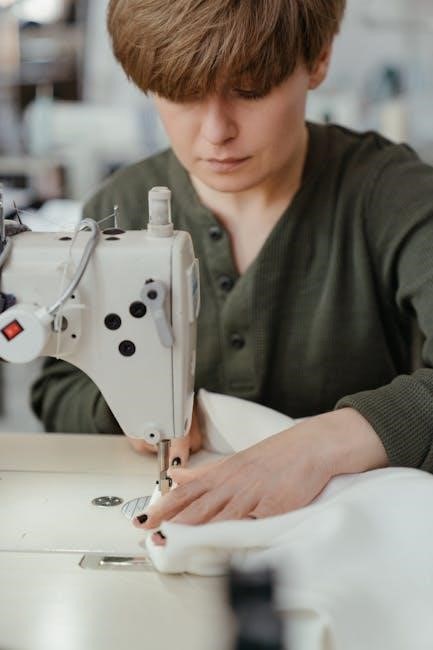
Welcome! This manual guides you through your new sewing machine‚ offering essential instructions for operation and maintenance. Discover a world of creative possibilities‚ starting today!
Unboxing and Initial Setup
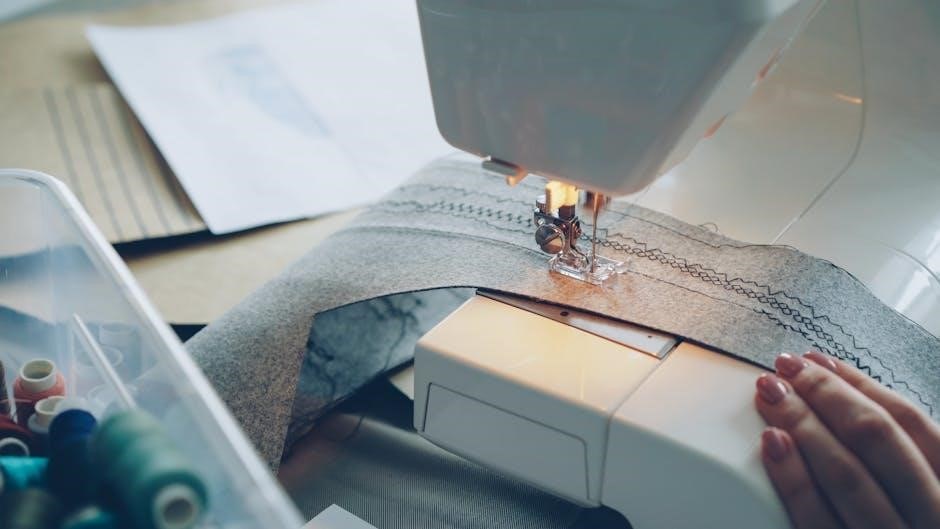
Carefully unpack your new sewing machine and all included accessories from the box. Verify that all listed components are present – typically including presser feet‚ bobbins‚ needles‚ a screwdriver‚ and this user manual. Inspect the machine for any visible damage that may have occurred during shipping; if damage is present‚ contact the retailer immediately;
Position the machine on a stable‚ flat surface with adequate lighting. Ensure there is enough space around the machine for comfortable operation and fabric handling. Before plugging in the power cord‚ familiarize yourself with the machine’s basic parts as outlined in the following sections. Initial setup involves removing any shipping materials or protective packaging from moving parts‚ like the bobbin area and needle plate.
Read this manual thoroughly before attempting to operate the machine. Understanding the setup process will ensure a smooth and enjoyable sewing experience.
Machine Components Overview
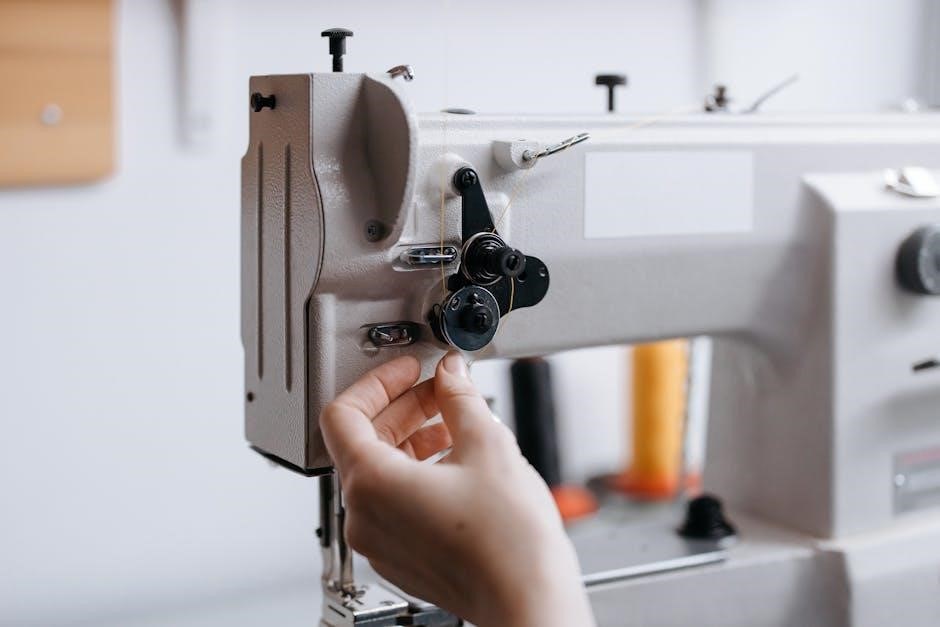
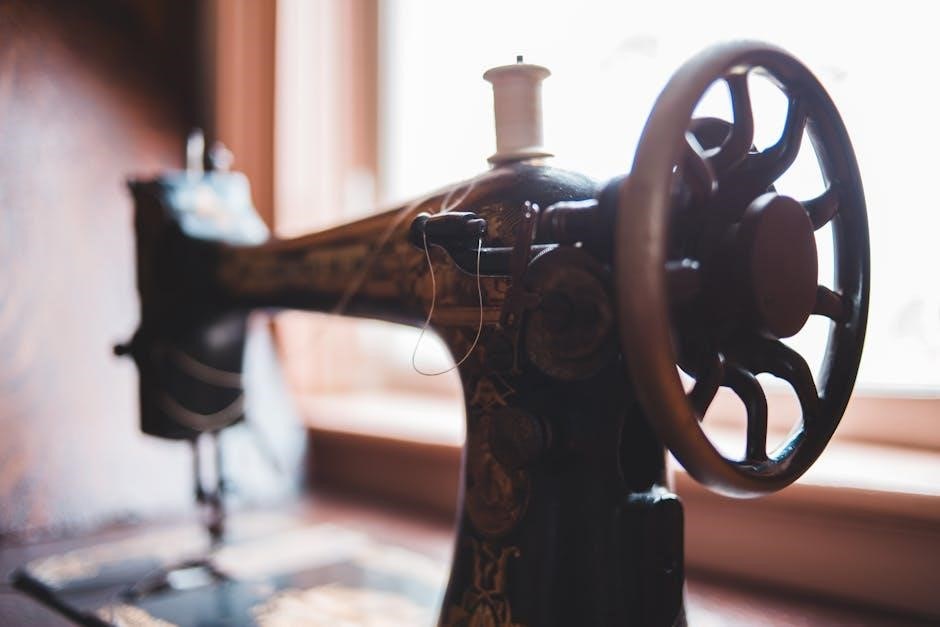
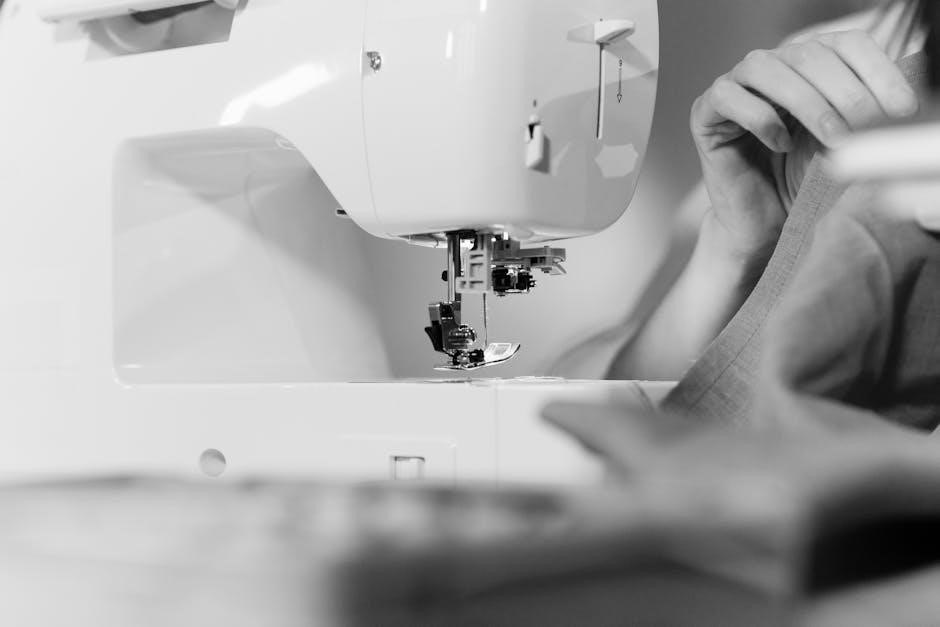
Let’s explore the key parts of your sewing machine; The power switch controls operation‚ while the handwheel allows for manual needle positioning. The needle clamp secures the needle‚ and the presser foot holds fabric in place during sewing. The presser foot lever raises and lowers the foot.
The bobbin winder prepares bobbins for lower thread supply. The bobbin case houses the bobbin‚ and the thread tension dial adjusts upper thread tension. The stitch length dial controls stitch size‚ and the stitch width dial adjusts zigzag stitch width.
Familiarize yourself with the reverse lever for backstitching and the spool pin which holds the thread spool. Understanding these components is crucial for successful sewing and proper machine maintenance. Refer to the diagrams in this manual for visual identification.
Understanding Basic Sewing Machine Functions
Mastering the fundamentals unlocks your machine’s potential. Learn to power on‚ wind a bobbin‚ and thread correctly for smooth‚ efficient sewing experiences.
Powering On and Off
Your sewing machine’s power switch is typically located on the right side of the machine‚ often combined with a foot pedal control. To power on‚ simply ensure the machine is plugged into a working electrical outlet and then toggle the switch to the “On” position – usually indicated by a ‘I’ symbol.
The foot pedal acts as a speed controller; gentle pressure results in slower stitching‚ while increased pressure increases the speed. Always start with slow‚ controlled movements to familiarize yourself with the machine’s responsiveness.
To power off‚ return the power switch to the “Off” position – marked with a ‘O’ symbol. Disconnecting the power cord when not in use is a good safety practice. Never force the switch; if it feels stuck‚ consult a qualified technician. Remember to always turn off and unplug the machine before performing any maintenance or changing the needle.
Winding the Bobbin
Preparing the bobbin is crucial for successful sewing. First‚ place the spool of thread onto the spool pin. Next‚ guide the thread through the thread guide(s) – typically small metal discs – leading to the bobbin winder tension disc. Ensure the thread is securely seated in these guides.
Place the empty bobbin onto the bobbin winder spindle. Push the spindle to the right to engage the winder. Hold the thread tail firmly for the first few rotations to prevent slipping.
Press the foot pedal gently to start the winding process. The machine will automatically stop when the bobbin is full. Disengage the spindle‚ remove the full bobbin‚ and trim the thread. Proper winding ensures even thread distribution‚ preventing issues during sewing. Always use the correct type of bobbin for your machine model;
Threading the Machine (Upper Thread)
Correct threading is vital for proper stitch formation. Begin by raising the presser foot; this opens the tension discs. Place your spool of thread on the spool pin. Guide the thread through the first thread guide‚ then down and around the tension discs – ensuring it’s firmly seated between them.
Continue threading upwards‚ following the numbered or illustrated path on your machine. This usually involves a take-up lever‚ which moves up and down during sewing. Then‚ thread the needle from front to back (consult your machine’s manual if unsure).
Pull several inches of thread through the needle. Hold onto the thread tail while you begin sewing to prevent it from pulling back into the machine. Incorrect threading is a common cause of sewing problems‚ so double-check each step!
Threading the Bobbin Case (Lower Thread)
After winding the bobbin‚ the next step is threading the bobbin case. Locate the bobbin case – it’s typically beneath the needle plate‚ accessed via a small door. Remove the bobbin case carefully.
Insert the bobbin into the bobbin case‚ ensuring the thread unwinds in the correct direction (consult your manual for specifics – clockwise or counterclockwise). Guide the thread through the tension spring on the bobbin case; you should feel a slight resistance.
Finally‚ reinsert the bobbin case into the machine‚ ensuring it clicks securely into place. Gently pull on the thread tail to confirm it’s properly engaged. Proper bobbin threading is crucial for balanced stitches and preventing nesting.
Stitch Selection and Adjustment
Explore diverse stitch options! Your machine offers straight‚ zigzag‚ and more. Adjust length and width for varied effects‚ enhancing your sewing projects beautifully.
Straight Stitch – Purpose and Settings

The straight stitch is your workhorse‚ ideal for seams‚ topstitching‚ and basting. It’s the most fundamental stitch‚ forming a solid line of consistent length. To select it‚ locate the straight stitch option on your machine’s stitch selection dial – often indicated by a straight line symbol.
Stitch length is crucial. A shorter stitch length (around 2.5mm) is best for lightweight fabrics and delicate seams‚ providing greater strength and preventing puckering. For medium-weight fabrics‚ a standard length of 3mm works well. Heavier fabrics require a longer stitch length (around 3.5-4mm) to prevent the needle from struggling and potentially breaking.
Experimentation is key! Always test your stitch length on a scrap piece of fabric before starting your project. Adjust as needed to achieve a clean‚ even seam. Remember‚ a consistent stitch length contributes significantly to the overall quality and durability of your finished garment or project. Proper settings ensure professional-looking results.
Zigzag Stitch – Purpose and Settings
The zigzag stitch offers versatility beyond a simple seam. It’s perfect for finishing raw edges to prevent fraying‚ creating decorative embellishments‚ and sewing stretch fabrics. Locate the zigzag stitch setting on your machine’s dial – typically represented by a zigzag pattern. This stitch allows for flexibility in fabric handling.
Stitch width and length are both adjustable. A narrower width (1-2mm) is suitable for reinforcing edges‚ while a wider width (3-5mm) creates bolder decorative effects. Stitch length impacts the density of the zigzag. Shorter lengths (1.5-2mm) are ideal for lightweight fabrics and tight curves‚ while longer lengths (2.5-3mm) work better with heavier materials.
Experiment with settings! Test different widths and lengths on scrap fabric to understand their impact. Zigzag stitches are invaluable for projects requiring stretch or a decorative touch. Mastering this stitch expands your sewing capabilities significantly‚ offering creative freedom and durable finishes.
Stitch Length and Width Control
Precise stitch control is fundamental to quality sewing. Stitch length‚ measured in millimeters‚ determines the distance between individual stitches. Shorter stitch lengths (1.5-2mm) are best for delicate fabrics and intricate details‚ providing greater security and a finer finish. Longer stitch lengths (3-4mm) are suitable for basting‚ gathering‚ or heavier materials‚ offering speed and flexibility.
Stitch width‚ applicable to zigzag and decorative stitches‚ controls the breadth of the stitch. A narrower width creates a denser‚ more secure stitch‚ ideal for reinforcing edges. Wider widths produce bolder patterns and are excellent for decorative applications. Adjusting width impacts fabric coverage and aesthetic appeal.
Experimentation is key! Always test stitch settings on scrap fabric before starting your project. Understanding how length and width interact allows you to achieve optimal results for various fabrics and techniques‚ ensuring professional-looking seams and embellishments.
Advanced Sewing Techniques
Unlock your creativity! Explore specialized presser feet‚ pressure adjustments‚ and fabric-specific methods for truly exceptional sewing projects and results.
Using Different Presser Feet
Expanding your sewing capabilities relies heavily on understanding and utilizing the diverse range of presser feet available for your machine. The standard presser foot is excellent for general sewing‚ but specialized feet unlock a world of possibilities.
A zigzag foot is ideal for sewing zigzag stitches and stretch fabrics‚ preventing skipped stitches. The buttonhole foot automates buttonhole creation‚ ensuring consistent and professional results. For delicate fabrics like satin or silk‚ a roller foot allows the fabric to glide smoothly‚ preventing puckering.
Blind hem feet create nearly invisible hems‚ perfect for skirts and trousers. A zipper foot simplifies zipper insertion‚ keeping the stitches close to the zipper teeth. Don’t forget the quilting foot‚ designed for even stitch distribution in quilting projects. Experimenting with these feet will dramatically improve your sewing outcomes and open doors to more complex designs.
Adjusting Presser Foot Pressure
Optimal fabric feeding and stitch quality depend significantly on correctly adjusted presser foot pressure. Too much pressure can stretch or distort delicate fabrics‚ while too little can cause the fabric to slip and result in skipped stitches.
Most machines feature a dial or screw to control this pressure. Lower the pressure for lightweight or slippery fabrics like silk‚ chiffon‚ or vinyl. This allows the fabric to move freely under the needle. Increase the pressure for heavier fabrics like denim‚ canvas‚ or multiple layers‚ ensuring sufficient grip for consistent feeding.
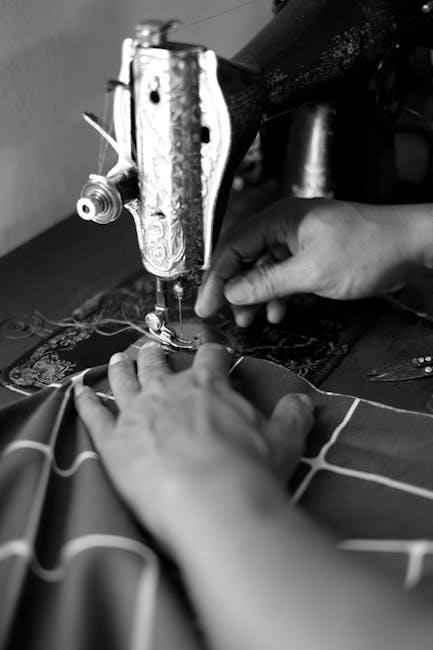
Always test the pressure on a scrap of the fabric you intend to use. If the fabric puckers‚ reduce the pressure. If it slips‚ increase it. Finding the sweet spot ensures smooth‚ even stitches and prevents damage to your materials. Regular adjustments are key to achieving professional-looking results.
Sewing Different Fabric Types
Success in sewing hinges on adapting your technique to the fabric’s characteristics. Lightweight fabrics like chiffon require a fine needle (size 60/8 or 70/10) and a shorter stitch length (around 2.0-2.5mm) to prevent puckering. Reduce presser foot pressure as well.
Medium-weight fabrics‚ such as cotton or linen‚ work well with a universal needle (size 80/12) and a standard stitch length (2.5-3.0mm). Heavier fabrics like denim or canvas demand a heavier needle (size 90/14 or 100/16) and a longer stitch length (3.0-4.0mm);
Knits require a ballpoint or stretch needle to avoid snagging the fibers. Always test on scraps! Adjust thread tension accordingly; lighter fabrics need less tension‚ heavier fabrics need more. Proper needle and stitch selection are crucial for beautiful results.
Maintenance and Troubleshooting
Regular upkeep ensures longevity and optimal performance. Addressing issues promptly prevents minor problems from escalating into costly repairs‚ keeping your machine running smoothly.
Cleaning Your Sewing Machine
Consistent cleaning is paramount for maintaining your sewing machine’s performance and extending its lifespan. Dust‚ lint‚ and stray threads accumulate during use‚ hindering smooth operation and potentially causing malfunctions. Begin by powering off and disconnecting the machine from the electrical outlet for safety.
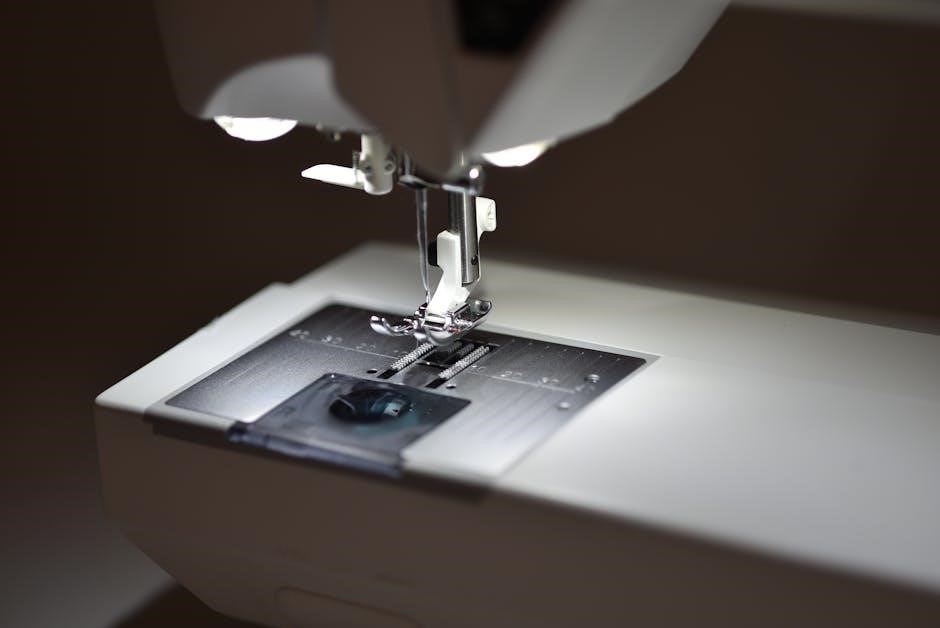
Use a soft brush – often included with your machine – to gently remove lint from the bobbin area‚ feed dogs‚ and around the needle plate. A small vacuum cleaner with a brush attachment can also be effective‚ but use caution to avoid damaging delicate components. For tougher buildup‚ a slightly dampened (not wet!) cloth can be used‚ ensuring no moisture enters the internal mechanisms.
Pay close attention to the needle plate area‚ removing any accumulated thread fragments. Regularly cleaning these areas prevents skipped stitches and ensures consistent fabric feeding. Avoid using harsh chemicals or abrasive cleaners‚ as these can damage the machine’s finish and internal parts. A simple‚ dry cloth is often sufficient for exterior cleaning.
Oiling and Lubrication
Proper lubrication ensures smooth operation and prevents wear and tear on your sewing machine’s moving parts. Refer to your machine’s manual for specific oiling points‚ as locations vary between models. Generally‚ key areas include the bobbin case‚ hook assembly‚ and any points indicated in the diagram within your manual.
Use only sewing machine oil – never use household oil‚ grease‚ or lubricants‚ as these can gum up the mechanism. Apply oil sparingly‚ using a needle-nose oiler to target specific areas. A little oil goes a long way; over-oiling can attract dust and lint‚ creating more problems than it solves.
After oiling‚ run the machine briefly (with the presser foot lifted) to distribute the oil evenly. Wipe away any excess oil with a clean‚ lint-free cloth. Regular oiling‚ as recommended in your manual‚ will significantly extend the life of your machine and maintain optimal performance.
Troubleshooting Common Problems (Thread Breakage)
Thread breakage is a frequent issue‚ often stemming from improper threading. Re-thread both the upper thread and bobbin‚ ensuring the thread is correctly seated in all tension discs and guides. Verify you’re using the correct type of thread for your fabric and needle size; a mismatch can cause breaks.
Check the needle for damage – a bent or dull needle is a common culprit. Also‚ ensure the needle is fully inserted and correctly positioned. Incorrect tension settings can also lead to breakage; experiment with slight adjustments to both upper and bobbin tension.
Finally‚ lint buildup within the tension discs or around the bobbin case can impede smooth thread flow. Clean these areas thoroughly with a small brush. If the problem persists‚ consult your machine’s manual for further troubleshooting steps specific to your model.
Troubleshooting Common Problems (Skipped Stitches)
Skipped stitches often indicate a problem with the needle‚ threading‚ or timing. First‚ ensure the needle is correctly inserted – it should be fully pushed up into the needle clamp. Replace the needle with a new one‚ as a bent or dull needle is a frequent cause. Double-check your threading‚ confirming the thread is properly seated in all guides and tension discs.
Incorrect needle size for the fabric weight can also lead to skipped stitches. Use a finer needle for lightweight fabrics and a heavier needle for thicker materials. Verify the bobbin is wound evenly and correctly inserted into the bobbin case.
If the issue continues‚ a timing problem might exist‚ requiring professional servicing. However‚ before seeking repair‚ clean the race plate and bobbin area to remove any lint or debris that could interfere with stitch formation.
Safety Precautions
Always disconnect the power when not in use or servicing. Keep fingers away from the needle. Use caution and follow all guidelines carefully.
General Safety Guidelines
Prioritize safety when operating your new sewing machine. Always ensure the machine is placed on a stable‚ level surface to prevent accidental movement during use. Keep the power cord away from heat and sharp edges‚ avoiding potential electrical hazards. Never pull the cord to unplug; grasp the plug itself.
Supervise children closely when the machine is in use or stored nearby. This machine is not intended for use by young children without adult supervision. Avoid wearing loose clothing or jewelry that could become entangled in the moving parts.
Inspect the machine regularly for any signs of damage. Do not operate the machine if it is malfunctioning or if any parts are missing. Always use the correct needle and presser foot for the fabric type. Never force the fabric under the needle; let the machine feed it smoothly. Remember to turn off and unplug the machine before changing needles‚ threading‚ or performing any maintenance.
Needle Safety
Needle handling requires utmost care. Always use the correct needle type and size for your fabric to prevent breakage and potential injury. When changing the needle‚ ensure the machine is turned off and unplugged. Dispose of used needles responsibly in a designated sharps container to avoid accidental pricks.
Never sew over needles or pins‚ as this can damage the machine and cause the needle to break‚ potentially leading to injury. If a needle breaks during sewing‚ immediately stop the machine and carefully remove the broken pieces. Inspect the needle area for any remaining fragments before resuming.
Regularly inspect needles for bends‚ dullness‚ or damage. A damaged needle can cause skipped stitches‚ fabric damage‚ and increase the risk of breakage. Replace needles frequently‚ especially when sewing dense or heavy fabrics. Always insert the needle correctly‚ ensuring it is fully seated in the needle clamp.
Resources and Further Learning
Expand your skills! Explore online tutorials‚ sewing communities‚ and downloadable manuals from Singer and Fashionmate for continued learning and support.
Finding Additional Manuals Online (Singer‚ Fashionmate)
Locating resources is easy! Many online archives host a wealth of sewing machine manuals‚ particularly for popular brands like Singer and Fashionmate. Websites dedicated to vintage and modern machines often have downloadable PDFs. Searching specifically for your machine’s model number (e.g.‚ Singer 257‚ Fashionmate zigzag) will yield the most accurate results.
Several online collections‚ as indicated by available data‚ specialize in manuals. These resources can be invaluable if your original manual is lost or damaged. Remember to verify the manual’s compatibility with your specific machine model‚ as variations exist even within the same brand.
Furthermore‚ online sewing communities and forums frequently share links to manuals and offer assistance in locating them. Don’t hesitate to ask fellow sewing enthusiasts for help – they often have a wealth of knowledge and resources to share. Utilize search terms like “Singer sewing machine manual download” or “Fashionmate user guide” to begin your search.
Online Sewing Tutorials and Communities
Expand your skills! The internet offers a vast library of sewing tutorials‚ catering to all skill levels – from beginner to advanced. Platforms like YouTube are brimming with video demonstrations covering everything from basic machine operation to complex garment construction. These visual guides can be incredibly helpful in understanding techniques.
Beyond tutorials‚ joining online sewing communities provides a supportive environment for learning and sharing. Forums and social media groups allow you to connect with fellow sewists‚ ask questions‚ and receive feedback on your projects. These communities often share valuable tips‚ patterns‚ and resources.
Leverage these digital tools to enhance your sewing journey. Many websites offer free patterns and project ideas‚ inspiring creativity and building confidence; Remember to explore different resources to find the learning style that best suits you‚ fostering a fulfilling and enjoyable sewing experience.