
Honeywell XNX Universal Transmitter Manual (Español), Article Plan
This article details resources for a Honeywell XNX Universal Transmitter manual in Spanish. It covers applications, troubleshooting, and safety, referencing OptEX explosives trace detection systems and related accessories.
The Honeywell XNX Universal Transmitter is a robust and versatile device designed for a wide range of gas detection applications, particularly within industrial settings demanding high reliability and performance. It’s a cornerstone of Honeywell’s Sensing and Heavy Duty solutions, offering a comprehensive approach to safety and process monitoring. Understanding the availability of a Honeywell XNX Universal Transmitter manual in Español is crucial for technicians and operators in Spanish-speaking regions.
This transmitter series is known for its adaptability, supporting numerous gas sensors and communication protocols. It’s often found integrated with systems like explosives trace detection, such as those utilizing OptEX technology, where precise and dependable gas readings are paramount. The XNX isn’t simply a transmitter; it’s a complete solution, often shipped with essential accessories like batteries, chargers, and sampling tools, ensuring field readiness.
The need for a Spanish-language manual stems from the global deployment of Honeywell systems and the importance of clear, accessible documentation for effective operation and maintenance. Proper understanding, facilitated by a translated manual, minimizes errors and maximizes the lifespan of the equipment.
Understanding the XNX Transmitter Series
The Honeywell XNX Transmitter Series represents a significant advancement in gas detection technology. It’s designed as a universal platform, capable of accommodating a diverse array of electrochemical, infrared, and catalytic bead sensors. This flexibility allows for detection of various gases, catering to specific industrial needs and safety regulations. The series prioritizes ease of integration into existing systems, supporting multiple communication protocols for seamless data transmission.
Key to the XNX’s functionality is its robust construction, built to withstand harsh environments. This is particularly relevant in heavy-duty applications and areas where explosive trace detection systems, like OptEX, are employed. The transmitter’s modular design simplifies maintenance and allows for quick sensor replacement, minimizing downtime.
Access to a Honeywell XNX Universal Transmitter manual in Español is vital for personnel unfamiliar with English technical documentation. It ensures correct configuration, operation, and troubleshooting, ultimately contributing to a safer and more efficient working environment. The series’ adaptability and comprehensive features make it a preferred choice globally.

Key Features and Benefits of the XNX
The Honeywell XNX Universal Transmitter boasts a multitude of features designed for optimal performance and user experience. Its core benefit lies in its universality – supporting numerous sensor types for detecting a wide range of gases. This reduces inventory and simplifies system management. The intuitive user interface, detailed in the Honeywell XNX Universal Transmitter manual in Español, facilitates easy configuration and operation, even for those with limited technical expertise.
Furthermore, the XNX offers advanced diagnostics and troubleshooting capabilities, minimizing downtime and maintenance costs. Its robust construction ensures reliable operation in harsh industrial environments, including those requiring explosives trace detection systems like OptEX. The transmitter’s compatibility with various communication protocols enables seamless integration into existing control systems.
Benefits extend to enhanced safety through accurate and reliable gas detection, and reduced operational expenses due to simplified maintenance and long sensor life. Accessories, readily available, further enhance functionality. Ultimately, the XNX provides a cost-effective and dependable solution for gas monitoring needs.
XNX Transmitter Applications
The Honeywell XNX Universal Transmitter finds extensive application across diverse industries requiring precise gas detection. A primary area is within heavy-duty industrial settings, monitoring for combustible gases, toxic compounds, and oxygen deficiency – crucial for worker safety. Its versatility extends to oil and gas facilities, petrochemical plants, and chemical processing operations, where reliable detection is paramount.
Furthermore, the XNX plays a vital role in environmental monitoring, ensuring compliance with regulatory standards. It’s also deployed in confined space entry applications, providing continuous atmospheric analysis. The relevance to explosives trace detection systems, like OptEX, highlights its use in security applications, safeguarding critical infrastructure.
Specific applications include monitoring vehicle emissions with systems like ChemProDM, and integration into broader sensing networks using EnviScreen software. The Honeywell XNX Universal Transmitter manual in Español details configuration for these scenarios. Ultimately, its adaptability makes it suitable for any environment demanding robust and accurate gas monitoring.
Technical Specifications of the XNX
The Honeywell XNX Universal Transmitter boasts a comprehensive set of technical specifications ensuring reliable performance. It supports a wide range of gas detection technologies, including electrochemical, catalytic bead, and infrared sensors, accommodating diverse monitoring needs. Power requirements typically range from 18 to 35 VDC, offering flexibility in installation.
The transmitter features a robust enclosure, often constructed from corrosion-resistant materials like stainless steel or aluminum, suitable for harsh environments. Its display options include local LCD readout for immediate readings, and compatibility with various communication protocols like HART and Modbus for seamless integration into control systems.
Regarding detection ranges, the XNX accommodates varying concentrations depending on the selected sensor. The Honeywell XNX Universal Transmitter manual in Español provides detailed tables outlining specific ranges for each gas. Operating temperature ranges are typically -40°C to +85°C, ensuring functionality in extreme climates. Accessories, including battery packs and chargers, further enhance its usability.
XNX Wiring and Installation Guide
Proper wiring and installation are crucial for the reliable operation of the Honeywell XNX Universal Transmitter. The Honeywell XNX Universal Transmitter manual in Español details a step-by-step process, emphasizing safety precautions. Typically, installation involves mounting the transmitter securely in a designated location, ensuring adequate ventilation.
Wiring connections require careful attention to polarity and terminal assignments. Common connections include power supply (18-35 VDC), signal output (4-20mA, HART, or Modbus), and optional relay outputs for alarm indication. Field wiring should adhere to relevant electrical codes and standards.
Before energizing the transmitter, verify all connections and inspect wiring for damage. The manual provides detailed wiring diagrams illustrating correct configurations. Accessories like conduit adapters and mounting brackets facilitate a secure and weatherproof installation. Remember to calibrate the XNX after installation, following the procedures outlined in the manual, to ensure accurate readings. Proper grounding is also essential for optimal performance and safety.
XNX Configuration and Programming
The Honeywell XNX Universal Transmitter offers extensive configuration and programming options, detailed within the Honeywell XNX Universal Transmitter manual in Español. These settings allow users to tailor the transmitter’s functionality to specific application requirements.
Configuration is typically performed using a handheld HART communicator or through a compatible control system. Key parameters include sensor type, measurement range, engineering units, and alarm setpoints. Programming allows for customization of signal filtering, response time, and diagnostic features.
The manual guides users through navigating the transmitter’s menu structure and modifying these parameters. Advanced settings enable features like auto-calibration, loop testing, and security access control. Understanding these options is vital for optimizing performance and ensuring accurate measurements. The EnviScreen monitoring software compatibility enhances data analysis and remote configuration capabilities. Proper configuration, as outlined in the manual, is essential for reliable operation and integration into existing control systems.
XNX Troubleshooting Common Issues
The Honeywell XNX Universal Transmitter manual in Español provides a comprehensive troubleshooting guide for resolving common operational issues. Frequent problems include signal loss, inaccurate readings, and communication failures. The manual details step-by-step diagnostic procedures to identify the root cause of these issues.
Common solutions involve verifying wiring connections, checking power supply voltage, and confirming sensor functionality. Communication problems can often be resolved by verifying HART communication settings or checking for interference. The manual also addresses alarm conditions and provides guidance on interpreting diagnostic messages.
For more complex issues, the manual directs users to specific troubleshooting flowcharts and provides contact information for Honeywell support. Understanding the transmitter’s self-diagnostic capabilities, as described in the manual, is crucial for efficient problem-solving. Remember to consult the safety precautions before attempting any repairs or adjustments. Proper troubleshooting, guided by the manual, minimizes downtime and ensures reliable performance.
XNX Display and User Interface
The Honeywell XNX Universal Transmitter manual in Español dedicates a section to understanding the display and user interface. The XNX features a clear, multi-line LCD display providing real-time process information, including measured values, alarm status, and diagnostic messages. Navigation is typically achieved through a combination of push buttons, allowing access to various menus and configuration settings.
The manual details the meaning of different display icons and messages, aiding in quick identification of potential issues. Users can customize display parameters, such as units of measurement and display language (including Spanish options). The interface allows for easy access to calibration routines and transmitter settings.
Understanding the menu structure, as outlined in the manual, is crucial for efficient operation. The manual also explains how to interpret trend data displayed on the screen, providing valuable insights into process behavior. Proper utilization of the display and user interface enhances operational efficiency and simplifies troubleshooting procedures.

XNX Safety Precautions and Warnings

The Honeywell XNX Universal Transmitter manual in Español prominently features a section dedicated to crucial safety precautions and warnings. It emphasizes the importance of adhering to all local and national electrical codes during installation and maintenance. The manual warns against attempting to repair the transmitter internally, as this could lead to electric shock or damage the device.
Specific warnings relate to hazardous environments; the XNX is often used in potentially explosive atmospheres, requiring strict adherence to intrinsically safe wiring practices. The manual details appropriate grounding procedures to prevent static discharge and potential ignition sources. It also cautions against using the transmitter with incompatible accessories or attempting modifications not approved by Honeywell.
Furthermore, the manual stresses the need for qualified personnel to perform all installation, configuration, and maintenance tasks. Ignoring these warnings could result in personal injury, equipment damage, or process disruption. Always consult the complete safety section within the manual in Español before working with the XNX.
XNX Maintenance and Calibration
The Honeywell XNX Universal Transmitter manual in Español provides detailed guidance on routine maintenance and calibration procedures. Regular inspection of wiring connections and enclosures is recommended to ensure continued safe and reliable operation. The manual outlines a schedule for verifying sensor performance, typically involving comparison against known gas concentrations or calibration standards.

Calibration frequency depends on the application and environmental conditions, but the manual suggests periodic checks, especially after exposure to corrosive substances or extreme temperatures. It details step-by-step instructions for performing multi-point calibrations, utilizing the transmitter’s user interface or dedicated configuration software.
The manual in Español also emphasizes the importance of documenting all maintenance and calibration activities, including dates, personnel involved, and calibration results. Proper maintenance extends the lifespan of the XNX and ensures accurate readings. Referencing the manual’s specific procedures is crucial for maintaining compliance and optimal performance.
Honeywell Sensing and Heavy Duty Applications
Honeywell’s Sensing and Heavy Duty solutions, as referenced within the XNX Universal Transmitter manual in Español, highlight the device’s robustness for demanding environments. The XNX is designed for reliable performance in harsh industrial settings, including those with extreme temperatures, corrosive atmospheres, and potential explosive hazards.
These applications often involve monitoring critical gases in oil and gas production, chemical processing, and wastewater treatment facilities. The manual details how the XNX’s rugged construction and certifications (like explosion-proof ratings) ensure safe operation in these challenging conditions. It emphasizes the importance of selecting appropriate accessories, such as specialized enclosures and conduit fittings, to further enhance durability.
The manual in Español also points to Honeywell’s broader portfolio of sensing technologies, demonstrating the XNX’s integration within comprehensive safety systems. Understanding these heavy-duty capabilities is vital for proper installation and maintenance, ensuring long-term reliability and accurate gas detection.
Accessories Compatible with the XNX
The Honeywell XNX Universal Transmitter manual in Español details a range of compatible accessories crucial for optimal performance and specific application needs. These extend beyond basic mounting hardware, encompassing items like protective carrying cases – often including batteries, chargers, trace samples, straps, gloves, and tools – as highlighted in available documentation.
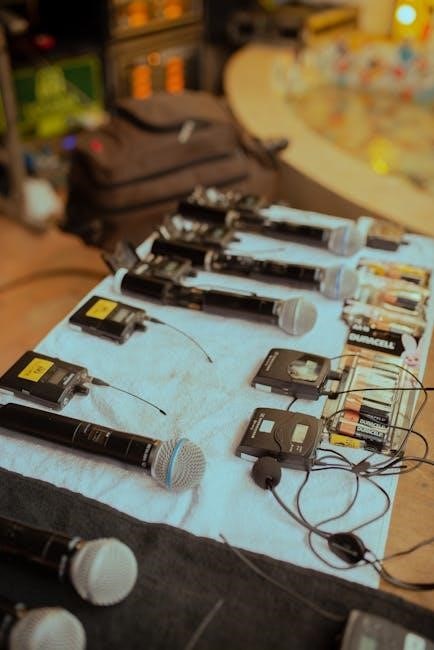
The manual emphasizes the availability of different key sets for enhanced security and access control. Battery packs and chargers are also listed, with specifications for voltage and compatibility. Specialized sampling screens are mentioned, vital for certain detection scenarios. Furthermore, the manual in Español directs users to a dedicated accessories section for a comprehensive overview.
Selecting the correct accessories is paramount for ensuring the XNX functions correctly and maintains its certifications. The manual stresses verifying compatibility and adhering to Honeywell’s recommendations for safe and reliable operation. Proper accessory usage extends the transmitter’s lifespan and maximizes its effectiveness.
Explosives Trace Detection Systems (OptEX) & XNX Relevance
While the Honeywell XNX Universal Transmitter manual in Español primarily focuses on the transmitter itself, it’s important to understand its potential integration with broader security systems, notably explosives trace detection (ETD) like the OptEX system. Documentation reveals OptEX utilizes thermodynamic principles to identify explosives based on unique heat signatures.
The XNX, as a versatile transmitter, can play a role in monitoring environmental conditions crucial for optimal ETD performance. This includes temperature and humidity control within the testing area, ensuring accurate and reliable results from the OptEX system. The manual in Español doesn’t detail direct integration protocols, but highlights the XNX’s ability to transmit critical data.
Furthermore, the XNX can contribute to overall facility safety by monitoring for hazardous gas leaks that could interfere with ETD operations or pose a risk during screening procedures. Understanding this broader context enhances the value of the XNX beyond its core functionality, as described within the manual in Español.
Resources for Spanish-Language XNX Manuals & Support
Finding a dedicated Honeywell XNX Universal Transmitter manual in Español can be challenging, as official documentation is often primarily available in English. However, several avenues exist for Spanish-speaking users seeking support and information.
Honeywell’s official website should be the first point of contact. While a direct Spanish PDF might not always be present, utilizing the site’s search function with keywords like “XNX,” “transmisor,” and “manual” (along with “Español”) can yield relevant results, potentially including translated quick start guides or datasheets.

Furthermore, exploring Honeywell’s regional websites – specifically those serving Latin American countries – may offer localized documentation. Online forums and industrial automation communities often host user-shared resources, including translated manuals or helpful discussions in Spanish. Finally, contacting Honeywell’s technical support directly and requesting a Spanish version of the XNX manual is a viable option. Remember to specify the exact model number for accurate assistance.