
San Francisco presents unique driving challenges‚ especially with a manual transmission‚ as evidenced by stories of navigating its steep hills and iconic streets.
This guide explores the history‚ techniques‚ and resources for mastering a manual car within the city’s distinctive landscape‚ blending preservation with modern driving.
From early adoption to a current resurgence among enthusiasts‚ the San Francisco driving experience is deeply intertwined with the art of the manual shift.
Historical Context of the Manual
San Francisco’s relationship with manual transmissions dates back to the early 20th century‚ coinciding with the rise of automobiles and the city’s rapid growth. Early automobile guides reflected a time when manual driving was the norm‚ essential for navigating the challenging terrain.
The city’s origins in 1776‚ through Spanish rule and subsequent development‚ saw a gradual adoption of motorized vehicles‚ initially requiring skilled operation. As San Francisco evolved‚ so did its automotive landscape‚ with manual cars becoming commonplace.
Stories from drivers learning on steep hills‚ like those recounted with 94 Integra LS models‚ highlight the historical necessity of mastering this skill within the city’s unique environment.
Purpose and Scope of the Manual
This San Francisco Manual serves as a comprehensive guide for drivers navigating the city’s distinctive challenges with a manual transmission vehicle. It aims to equip both newcomers and seasoned drivers with the knowledge and techniques needed for safe and confident operation.
The scope encompasses specific locations – Lombard Street‚ Filbert Street‚ and cable car routes – alongside broader considerations like hill starts and traffic patterns.
Furthermore‚ it delves into vehicle choices‚ maintenance‚ and resources‚ fostering a community of manual driving enthusiasts while acknowledging the evolving automotive landscape‚ including the impact of electric vehicles.

Driving a Manual in San Francisco: Unique Challenges
San Francisco’s topography and traffic demand exceptional skill with a manual transmission‚ requiring mastery of hill starts and precise gear control for safe navigation.
The Hills of San Francisco and Manual Transmission
San Francisco’s famously steep hills present a significant hurdle for drivers of manual transmission vehicles. The city’s unique geography demands a heightened awareness of momentum and gear selection to prevent stalling or rolling backward.
Drivers must skillfully utilize the clutch and throttle to maintain control on inclines‚ a skill honed through practice and understanding of the vehicle’s power band. Stories abound of drivers learning the ropes on these challenging streets‚ like one driver with a 1994 Integra LS.
Successfully navigating these hills isn’t just about technique; it’s about anticipating the grade and adjusting accordingly‚ making the manual driving experience uniquely San Franciscan.
Hill Starts: Techniques for Success
Mastering hill starts is paramount for manual drivers in San Francisco. The core technique involves coordinating the clutch‚ throttle‚ and handbrake to prevent rollback. Briefly engage the handbrake‚ then find the friction point with the clutch while gently applying throttle.
As you release the handbrake‚ smoothly increase throttle to move forward. Quick transitions are key‚ minimizing the time spent balancing on the clutch. Practice is crucial; finding a less-trafficked hill is ideal for building confidence.
Remember‚ anticipating the incline and reacting swiftly will transform a daunting task into a seamless maneuver‚ essential for navigating San Francisco’s terrain.
Traffic Patterns and Manual Driving
San Francisco’s stop-and-go traffic demands precise clutch control for manual drivers. Frequent shifting between first and second gear is common‚ requiring quick reflexes and smooth transitions. Anticipate traffic flow to minimize clutch wear and maintain momentum.
Be mindful of cable car routes and pedestrian crossings‚ as these often cause sudden stops. Defensive driving is crucial; always maintain a safe following distance. Mastering rev-matching will enhance smoothness and reduce strain on the drivetrain in congested areas.
Navigating these patterns efficiently elevates the manual driving experience.
Vehicle Choice and Manual Transmission
San Francisco’s hills necessitate vehicles with sufficient torque and responsive engines when paired with a manual transmission‚ like the classic VW Beetle.
Consider compact cars for easier maneuverability and parking within the city’s tight spaces.
Popular Manual Cars Historically Driven in San Francisco
San Francisco’s unique terrain fostered a preference for certain manual transmission vehicles over the decades. The Volkswagen Beetle‚ as highlighted in recent stories‚ became a beloved sight navigating the city’s inclines‚ prized for its reliability and manageable size.
Japanese imports like the Honda Integra LS‚ particularly the 94 model‚ gained popularity among locals learning to drive stick on challenging hills. These cars offered a balance of affordability‚ performance‚ and driver engagement.
Older models of the Porsche 911‚ known for their robust engines and precise handling‚ were also frequently spotted‚ appealing to enthusiasts seeking a spirited driving experience. These vehicles represent a legacy of manual driving within the city.
Considerations for Choosing a Manual Vehicle
Selecting a manual vehicle for San Francisco demands careful consideration. Hill-hold assist is a crucial feature‚ mitigating rollback on steep inclines. A responsive engine with ample low-end torque is essential for confident hill starts and navigating challenging streets.
Clutch feel and throw length are vital; a lighter clutch reduces fatigue during frequent shifting. Consider a vehicle with a shorter wheelbase for improved maneuverability on narrow‚ winding roads like Lombard Street.
Reliability is paramount‚ given the strain on components from constant stop-and-go traffic and hill climbing. Prioritize models with a proven track record and readily available parts.
Maintenance Specific to Manual Transmissions in SF
San Francisco’s unique terrain necessitates diligent manual transmission maintenance. Frequent hill climbing and stop-and-go traffic accelerate clutch wear‚ demanding more frequent inspections and potential replacements.
Gear oil changes are critical‚ utilizing a high-quality synthetic lubricant to withstand the stress. Regularly check for leaks around the transmission and clutch master/slave cylinders.
Inspect the clutch cable (if applicable) for fraying or binding. Consider a heavier-duty clutch if consistently driving in demanding conditions. Proactive maintenance prevents costly repairs and ensures reliable operation.
Navigating Specific San Francisco Locations with a Manual
San Francisco’s famed locations—Lombard Street‚ Filbert Street‚ and cable car routes—demand skillful manual driving‚ requiring precise control and adaptability.
Mastering these areas showcases the unique challenges and rewards of driving a stick shift within the city’s iconic landscape.
Driving Lombard Street (The “Most Crooked Street”)
Lombard Street‚ celebrated as the “most crooked street‚” presents a distinctive challenge for manual transmission drivers in San Francisco. The series of tight turns necessitates exceptionally smooth clutch control and precise gear selection to maintain a consistent‚ slow pace.
Downshifting is crucial for navigating each bend‚ preventing stalling and ensuring a controlled descent. Drivers must anticipate the curves‚ utilizing engine braking to supplement the foot brake‚ avoiding overuse that could lead to brake fade. Maintaining momentum‚ while respecting the 8 mph speed limit‚ is key to a successful and enjoyable experience on this iconic street.
Careful observation of pedestrians and surrounding traffic is paramount‚ as the street is a popular tourist destination.
Manual Transmission on Steep Streets like Filbert Street
Filbert Street‚ and many others in San Francisco‚ demand mastery of hill-start techniques when driving a manual transmission vehicle. The combination of incline and stop-start traffic requires swift coordination between the clutch‚ gas‚ and handbrake.
Drivers must quickly transition from brake to gas while releasing the clutch‚ preventing rollback. Utilizing the handbrake to hold the vehicle momentarily provides a crucial safety net. Precise throttle control is essential to avoid stalling or lurching forward. Downshifting to a lower gear provides increased engine braking and control during descent‚ minimizing brake usage.
Anticipation and smooth operation are vital for navigating these challenging inclines.
Negotiating the Cable Car Routes
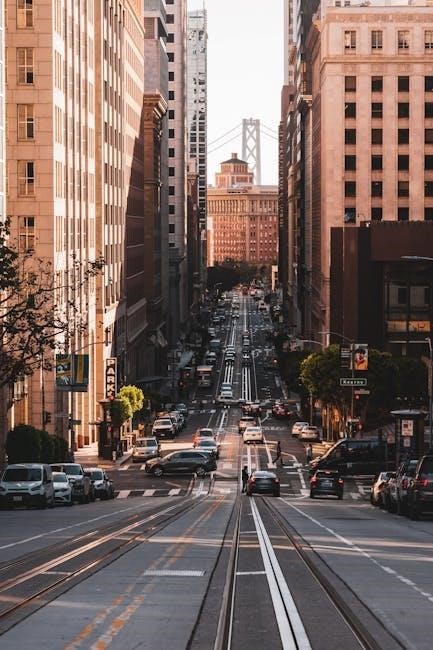
San Francisco’s iconic cable car routes present unique challenges for manual transmission drivers. These streets‚ often steep and heavily trafficked by pedestrians‚ require heightened awareness and cautious maneuvering. Drivers must anticipate frequent stops and starts due to cable car crossings and passenger loading/unloading.
Maintaining a safe following distance is crucial‚ as cable cars can unexpectedly halt. Be prepared for sudden changes in traffic flow and yield to pedestrians. Downshifting to a lower gear provides better control on the inclines frequently found along cable car lines.
Patience and defensive driving are key to safely navigating these historic routes.
The History of Manual Transmissions in San Francisco
San Francisco’s origins in 1776 saw early vehicles‚ with manual transmissions becoming prevalent‚ adapting to the city’s hills and evolving alongside its unique culture.
Early Adoption of Manual Vehicles
Early 20th-century automobile guides demonstrate that San Francisco quickly embraced motorized vehicles‚ and the manual transmission was the dominant technology. The city’s challenging topography – its famously steep hills – necessitated skilled drivers capable of managing gear shifts and clutch control.
This created a unique driving culture where mastering a manual wasn’t just a skill‚ but a requirement. Stories from the era highlight the resourcefulness of drivers navigating the city’s streets‚ and the manual transmission became synonymous with the San Francisco driving experience. The initial trading village quickly adapted to this new form of transportation.
The Decline and Resurgence of Manuals
Following widespread adoption‚ manual transmissions experienced a decline in popularity with the rise of automatic transmissions offering greater convenience. However‚ San Francisco retained a dedicated community of manual driving enthusiasts‚ valuing the control and engagement it provided on the city’s challenging terrain.
Recent years have witnessed a resurgence of interest in manual vehicles‚ fueled by a desire for a more connected driving experience and a nostalgic appreciation for automotive history. This revival is particularly noticeable within San Francisco’s car culture‚ with drivers like Ben Ramirez proudly keeping the tradition alive.
Cultural Significance of Manual Driving in the City
Manual driving in San Francisco transcends mere transportation; it’s a badge of honor and a testament to driving skill. Mastering a manual on the city’s notoriously steep hills signifies a unique level of automotive competence‚ fostering a sense of pride among drivers.
Stories of navigating San Francisco in classic manual cars‚ like Ramirez’s 1966 VW Beetle‚ contribute to a romanticized image of the city’s automotive past. This skill is often passed down through generations‚ solidifying its place within the city’s cultural fabric and preserving a tangible link to automotive history.
Resources for Manual Drivers in San Francisco
San Francisco offers specialized driving schools with manual lessons‚ mechanics experienced in manual transmissions‚ and vibrant online communities for enthusiasts to connect and share knowledge.
Driving Schools Offering Manual Transmission Lessons
Finding instruction for manual driving in San Francisco requires focused searching. While not as prevalent as automatic lessons‚ several schools cater to those wanting to learn or refine their skills. These institutions understand the specific challenges presented by the city’s hills and traffic patterns.
Look for schools that specifically advertise manual transmission training‚ and inquire about their instructors’ experience with hill starts and navigating steep inclines. Some schools offer customized lessons tailored to the unique demands of San Francisco driving. Expect a higher hourly rate for manual lessons due to the specialized instruction and vehicle wear.
Consider private instructors as an alternative; they often provide more personalized attention and flexible scheduling. Thoroughly vet any instructor or school before committing‚ checking reviews and ensuring they have a valid license and insurance.
Mechanics Specializing in Manual Transmissions
Maintaining a manual transmission in San Francisco’s demanding terrain requires a skilled mechanic. The constant stop-and-go driving‚ combined with steep hills‚ puts extra stress on clutch systems and gearboxes. Finding a mechanic with specific expertise in manual transmissions is crucial for longevity.
Seek out shops that demonstrate a deep understanding of manual drivetrain components‚ including clutch replacement‚ synchro repair‚ and transmission fluid servicing. Ask about their experience with vehicles frequently driven in hilly areas. Online reviews and word-of-mouth referrals are invaluable resources.
Prioritize mechanics who can accurately diagnose issues and offer transparent repair estimates. Regular maintenance‚ like clutch adjustments‚ can prevent costly repairs down the line.
Online Forums and Communities for SF Manual Drivers
San Francisco’s unique driving conditions foster a strong community of manual transmission enthusiasts. Online forums and social media groups provide a valuable platform for sharing experiences‚ seeking advice‚ and discovering hidden gems for manual drivers.
These communities offer practical tips for navigating the city’s hills‚ recommendations for trusted mechanics specializing in manual transmissions‚ and insights into vehicle maintenance specific to the local environment.
Engage with fellow drivers to learn about optimal routes‚ discuss challenging intersections‚ and stay informed about local events catering to the manual driving community. It’s a great resource!
Safety Considerations for Manual Drivers
San Francisco’s hills demand heightened awareness and skillful emergency procedures for manual drivers‚ prioritizing defensive techniques and vigilance around pedestrians and cyclists.
Mastering hill starts and anticipating traffic patterns are crucial for safe navigation within the city’s complex environment.
Emergency Procedures on Hills
Navigating San Francisco’s steep inclines requires specific emergency protocols for manual transmission vehicles. Should you experience a stall mid-hill‚ immediately engage the handbrake firmly to prevent rollback. Quickly shift into neutral‚ then restart the engine.
Once restarted‚ smoothly transition back into first gear‚ carefully modulating the clutch and accelerator to avoid jerking. Practice this technique in a safe‚ controlled environment to build confidence. Remember‚ maintaining composure is key during stressful situations.
Always be prepared for unexpected stops and utilize the handbrake proactively‚ especially when approaching intersections or encountering traffic. Prioritize safety and avoid panic.
Defensive Driving Techniques
San Francisco’s dense urban environment demands heightened defensive driving skills for manual transmission drivers. Anticipate sudden stops from cable cars and buses‚ maintaining a safe following distance. Be acutely aware of pedestrians and cyclists‚ especially in areas with high foot traffic.
Utilize your mirrors frequently and scan intersections thoroughly before proceeding. When approaching hills‚ downshift proactively to maintain control and avoid excessive brake use.
Expect the unexpected and always have an escape route planned. Smooth clutch control and precise gear selection are crucial for reacting quickly to changing conditions.
Awareness of Pedestrians and Cyclists
San Francisco is a city prioritizing pedestrian and cyclist safety‚ demanding extra vigilance from manual transmission drivers; Expect unpredictable movements‚ particularly around tourist areas and cable car routes. Always yield the right-of-way‚ even when legally permitted to proceed.
Be especially cautious when turning‚ checking blind spots thoroughly for cyclists. Maintain a generous buffer zone around pedestrians‚ anticipating potential jaywalking.
Remember‚ a manual transmission requires focused attention; avoid distractions to ensure you can react swiftly to vulnerable road users. Prioritize safety above all else.
The Future of Manual Transmissions in San Francisco
San Francisco’s embrace of electric vehicles may impact manual driving‚ yet enthusiast communities strive to preserve the skill and cultural significance of the manual shift.
Impact of Electric Vehicles
Electric vehicles (EVs) are rapidly gaining prominence in San Francisco‚ presenting a potential shift away from traditional internal combustion engine cars and‚ consequently‚ manual transmissions. The inherent simplicity of EV drivetrains – typically single-speed – eliminates the need for gear shifting‚ a core element of the manual driving experience.
As EV adoption increases‚ the demand for manual vehicles may decline‚ potentially affecting the availability of manual transmission lessons and specialized mechanics. However‚ the enduring appeal of manual driving among enthusiasts suggests a continued‚ albeit niche‚ presence in the city’s automotive landscape. The future will likely see a coexistence‚ with EVs dominating while manuals remain a cherished option for those seeking a more engaging driving experience.
Preservation of Manual Driving Skills
Despite the rise of automatic and electric vehicles‚ dedicated communities in San Francisco are actively working to preserve the art of manual driving. Driving schools offering manual transmission lessons‚ though fewer in number‚ cater to enthusiasts and those seeking a deeper connection with their vehicles.
Online forums and local car clubs provide platforms for sharing knowledge‚ organizing drives‚ and fostering a sense of camaraderie among manual drivers. This collective effort aims to ensure that the skills and appreciation for manual transmissions don’t fade away‚ maintaining a vital part of automotive culture within the city.
The Role of Enthusiast Communities
San Francisco’s enthusiast communities are pivotal in sustaining the legacy of manual transmissions. Car clubs frequently organize scenic drives‚ tackling the city’s challenging hills and iconic routes – like Lombard Street – providing opportunities to hone skills and share experiences.
These groups also champion the preservation of classic manual vehicles‚ offering support for maintenance and restoration. Online forums serve as vital hubs for knowledge exchange‚ troubleshooting‚ and connecting drivers. Through events and shared passion‚ these communities ensure the spirit of manual driving thrives in San Francisco.
San Francisco’s Public Transportation and Manual Vehicle Integration
Manual drivers in San Francisco navigate alongside historic cable cars and bus routes‚ requiring awareness and careful maneuvering within the city’s complex transit network.
Interactions with Cable Cars
San Francisco’s iconic cable cars present unique considerations for manual transmission drivers. Approaching cable car routes demands heightened awareness‚ as these vehicles frequently stop and start unexpectedly‚ often on steep inclines.
Drivers must anticipate potential stops and utilize engine braking effectively to maintain control‚ especially when descending hills alongside a moving cable car. The California Street line‚ with its twelve double-ended cars‚ and the Powell-Mason/Hyde lines‚ boasting twenty-eight single-ended cars‚ create dynamic traffic scenarios.
Maintaining a safe following distance and being prepared for sudden halts are crucial for a smooth and secure interaction with these historic vehicles.
Navigating Bus Routes
San Francisco’s extensive bus network introduces specific challenges for drivers of manual transmission vehicles. Frequent bus stops necessitate anticipating deceleration and utilizing engine braking to avoid abrupt shifts or stalls‚ particularly on hilly routes.
Bus lanes‚ while promoting public transport‚ require careful navigation to avoid unintentional incursions. Drivers must be mindful of buses pulling out from stops and merging into traffic‚ demanding quick reactions and precise gear changes.
Maintaining a respectful distance and anticipating bus maneuvers are key to a safe and efficient driving experience alongside San Francisco’s public transportation system.
Parking Considerations
San Francisco parking is notoriously competitive‚ demanding skillful maneuvering‚ especially in a manual transmission vehicle. Hill starts are frequently required when exiting parking spaces‚ necessitating precise clutch control and quick transitions to prevent rollback.
Parallel parking on steep inclines demands a confident understanding of the vehicle’s capabilities and the effective use of the handbrake. Drivers must be prepared for limited visibility and tight spaces.
Awareness of parking regulations and diligent observation of street cleaning schedules are crucial to avoid costly tickets‚ adding another layer of complexity for manual drivers.
Historical Documents and Manuals Related to San Francisco
Early 20th-century automobile guides and city planning documents reveal evolving vehicle regulations‚ impacting manual transmission drivers in San Francisco’s developing landscape.
Preservation manuals‚ like those for coastal fortifications‚ offer insights into the city’s past‚ indirectly reflecting early automotive integration.
Seacoast Fortifications Preservation Manual Relevance
While seemingly unrelated‚ the Seacoast Fortifications Preservation Manual highlights a historical context of meticulous operation and maintenance within San Francisco’s geographical challenges. This parallels the demands placed on early automobile drivers‚ particularly those utilizing manual transmissions.
The manual’s emphasis on understanding complex systems and adapting to unique terrains resonates with the skill set required to navigate San Francisco’s hills. Both scenarios demand precise control and a deep understanding of mechanical principles.
Furthermore‚ the preservation manual’s detailed documentation mirrors the need for comprehensive guides for early automobile owners‚ fostering a culture of responsible vehicle operation within the city’s evolving infrastructure.
Early 20th Century Automobile Guides
Early automobile guides for San Francisco were crucial for drivers navigating the city’s unique challenges‚ especially those mastering the manual transmission. These guides detailed street conditions‚ gradients‚ and specific techniques for hill starts – skills vital for survival on San Francisco’s steep inclines.
They often included advice on clutch control‚ gear selection‚ and emergency braking procedures‚ reflecting the mechanical demands of manual vehicles. These resources fostered a community of skilled drivers adapting to the city’s demanding terrain.
These guides represent a foundational element in San Francisco’s automotive history‚ emphasizing the importance of driver proficiency with manual technology.
City Planning Documents and Vehicle Regulations
San Francisco’s early city planning documents reveal considerations for the growing number of automobiles‚ including those with manual transmissions‚ navigating its complex streets. Regulations addressed vehicle size‚ speed limits‚ and safety standards‚ particularly on steep grades and near cable car routes.
These documents demonstrate an early awareness of the challenges posed by manual vehicles‚ requiring drivers to possess specific skills for safe operation. Amendments often focused on improving traffic flow and pedestrian safety amidst the increasing automotive presence.
These regulations shaped the driving culture and underscored the need for driver education regarding manual transmission operation.